Extra, extra: Yesterday’s news! Vilém Flusser and the Anticipation of Homo Apparatus
A brief reflection on Vilém Flusser’s philosophy of design, showing how his decades-old theory of the "apparatus" foresaw modern artificial intelligence.
TECHNOLOGY
Before the iPhone: A Deeper History
When we reflect on artificial intelligence and the technological transformation of our lives, many people immediately picture smartphones, apps, and social media. However, critical inquiry into the relationship between humans and machines spans several decades. Long before the iPhone and well before the rise of modern deep learning, philosopher Vilém Flusser was already theorizing how technology would fundamentally alter human cognition and labora

From Homo faber to Homo apparatus
In Philosophy of Design, particularly in the essay The Factory, Vilém Flusser describes a transformation in the relationship between humans and technology.
He begins with Homo faber: the human who makes things, creates tools, and shapes the world through them.
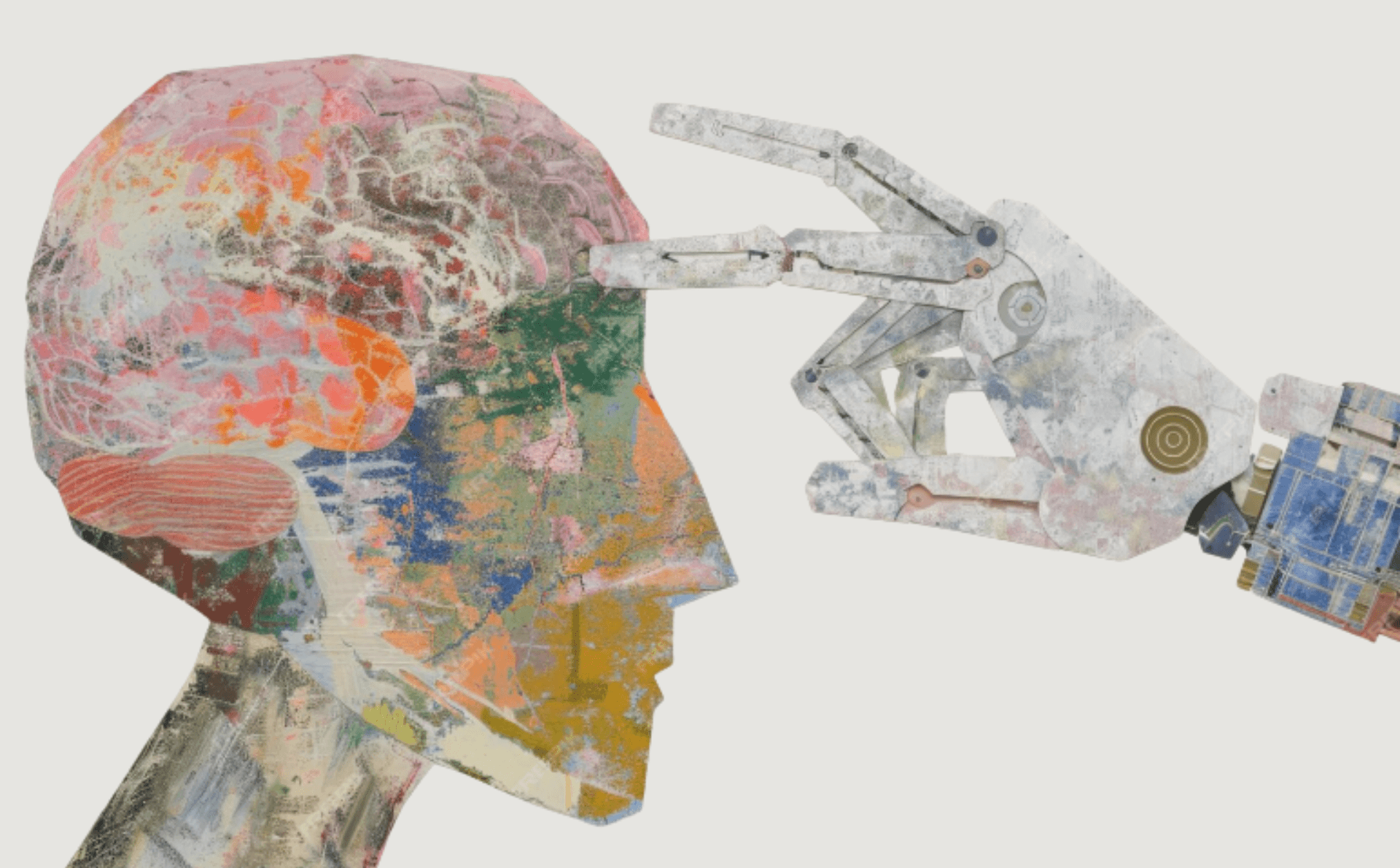
But as technology develops, the relationship between the maker and the tool begins to change. Flusser describes a progression from Homo faber to Homo ferramentum, Homo machina, and ultimately Homo apparatus.
It is what happens to the relationship between the human being and the technology they use.A tool can be understood through its physical function. You can see it, manipulate it, and develop practical knowledge through direct interaction with it. An apparatus is different.
It is a complex, program-driven system whose operations become increasingly abstract. Its possibilities are determined by structures that are often invisible to the person operating it.
You don’t necessarily need to understand every component of an apparatus in order to use it. But you do need to understand its logic and that requires a different kind of knowledge. It requires conceptual literacy.
It means learning how systems work, understanding their rules and limitations, recognising the possibilities they offer, and learning how to operate within structures that are no longer entirely visible.
This is remarkably close to the kind of technological literacy we now associate with programming, digital products, algorithms, algorithmic governance, and artificial intelligence.
The machine becomes less like an object and more like a system.
Less something we physically manipulate and more something we interact with through an interface.
A network.
A program.
A black box.
And this transformation has consequences.

The more abstract the apparatus becomes, the greater the distance between the person and the mechanism behind the experience. We can operate increasingly powerful technologies without necessarily understanding what is happening underneath.
For Flusser, this was not simply a technological development. It represented a transformation in the way humans make, work, and understand the world around them.
Flusser foresaw a post-industrial, 'telematic' reality in which factories dematerialize and networked connections between humans and apparatuses redefine production and communication. His core insight was clear: as tools evolve into autonomous systems, technological competence becomes the fundamental prerequisite for agency in society.


So, what does this mean for design?
While today’s discourse treats AI as a sudden, unprecedented shift, Flusser demonstrated decades ago that this algorithmic reality was the deliberate trajectory of modern technology.
If AI can produce hundreds of possible solutions, the valuable skill is no longer simply producing the output. It becomes knowing what to ask for, what to reject, what to refine, what to combine, and what deserves to exist in the first place.
The designer becomes, in a sense, a mediator between human intention and an increasingly complex apparatus.The provocative question he leaves us with is: are we truly managing these invisible structures, or have we simply become functionaries within the logic of the apparatus?

More to Discover


Extra, extra: Yesterday’s news! Vilém Flusser and the Anticipation of Homo Apparatus
A brief reflection on Vilém Flusser’s philosophy of design, showing how his decades-old theory of the "apparatus" foresaw modern artificial intelligence.
TECHNOLOGY
Before the iPhone: A Deeper History
When we reflect on artificial intelligence and the technological transformation of our lives, many people immediately picture smartphones, apps, and social media. However, critical inquiry into the relationship between humans and machines spans several decades. Long before the iPhone and well before the rise of modern deep learning, philosopher Vilém Flusser was already theorizing how technology would fundamentally alter human cognition and labora
From Homo faber to Homo apparatus
In Philosophy of Design, particularly in the essay The Factory, Vilém Flusser describes a transformation in the relationship between humans and technology.
He begins with Homo faber: the human who makes things, creates tools, and shapes the world through them.
But as technology develops, the relationship between the maker and the tool begins to change. Flusser describes a progression from Homo faber to Homo ferramentum, Homo machina, and ultimately Homo apparatus.
It is what happens to the relationship between the human being and the technology they use.A tool can be understood through its physical function. You can see it, manipulate it, and develop practical knowledge through direct interaction with it. An apparatus is different.
It is a complex, program-driven system whose operations become increasingly abstract. Its possibilities are determined by structures that are often invisible to the person operating it.
You don’t necessarily need to understand every component of an apparatus in order to use it. But you do need to understand its logic and that requires a different kind of knowledge. It requires conceptual literacy.
It means learning how systems work, understanding their rules and limitations, recognising the possibilities they offer, and learning how to operate within structures that are no longer entirely visible.
This is remarkably close to the kind of technological literacy we now associate with programming, digital products, algorithms, algorithmic governance, and artificial intelligence.
The machine becomes less like an object and more like a system.
Less something we physically manipulate and more something we interact with through an interface.
A network.
A program.
A black box.
And this transformation has consequences.
The more abstract the apparatus becomes, the greater the distance between the person and the mechanism behind the experience. We can operate increasingly powerful technologies without necessarily understanding what is happening underneath.
For Flusser, this was not simply a technological development. It represented a transformation in the way humans make, work, and understand the world around them.
Flusser foresaw a post-industrial, 'telematic' reality in which factories dematerialize and networked connections between humans and apparatuses redefine production and communication. His core insight was clear: as tools evolve into autonomous systems, technological competence becomes the fundamental prerequisite for agency in society.
So, what does this mean for design?
While today’s discourse treats AI as a sudden, unprecedented shift, Flusser demonstrated decades ago that this algorithmic reality was the deliberate trajectory of modern technology.
If AI can produce hundreds of possible solutions, the valuable skill is no longer simply producing the output. It becomes knowing what to ask for, what to reject, what to refine, what to combine, and what deserves to exist in the first place.
The designer becomes, in a sense, a mediator between human intention and an increasingly complex apparatus.The provocative question he leaves us with is: are we truly managing these invisible structures, or have we simply become functionaries within the logic of the apparatus?
More to Discover
Extra, extra: Yesterday’s news! Vilém Flusser and the Anticipation of Homo Apparatus
A brief reflection on Vilém Flusser’s philosophy of design, showing how his decades-old theory of the "apparatus" foresaw modern artificial intelligence.
TECHNOLOGY
Before the iPhone: A Deeper History
When we reflect on artificial intelligence and the technological transformation of our lives, many people immediately picture smartphones, apps, and social media. However, critical inquiry into the relationship between humans and machines spans several decades. Long before the iPhone and well before the rise of modern deep learning, philosopher Vilém Flusser was already theorizing how technology would fundamentally alter human cognition and labora
From Homo faber to Homo apparatus
In Philosophy of Design, particularly in the essay The Factory, Vilém Flusser describes a transformation in the relationship between humans and technology.
He begins with Homo faber: the human who makes things, creates tools, and shapes the world through them.
But as technology develops, the relationship between the maker and the tool begins to change. Flusser describes a progression from Homo faber to Homo ferramentum, Homo machina, and ultimately Homo apparatus.
It is what happens to the relationship between the human being and the technology they use.A tool can be understood through its physical function. You can see it, manipulate it, and develop practical knowledge through direct interaction with it. An apparatus is different.
It is a complex, program-driven system whose operations become increasingly abstract. Its possibilities are determined by structures that are often invisible to the person operating it.
You don’t necessarily need to understand every component of an apparatus in order to use it. But you do need to understand its logic and that requires a different kind of knowledge. It requires conceptual literacy.
It means learning how systems work, understanding their rules and limitations, recognising the possibilities they offer, and learning how to operate within structures that are no longer entirely visible.
This is remarkably close to the kind of technological literacy we now associate with programming, digital products, algorithms, algorithmic governance, and artificial intelligence.
The machine becomes less like an object and more like a system.
Less something we physically manipulate and more something we interact with through an interface.
A network.
A program.
A black box.
And this transformation has consequences.
The more abstract the apparatus becomes, the greater the distance between the person and the mechanism behind the experience. We can operate increasingly powerful technologies without necessarily understanding what is happening underneath.
For Flusser, this was not simply a technological development. It represented a transformation in the way humans make, work, and understand the world around them.
Flusser foresaw a post-industrial, 'telematic' reality in which factories dematerialize and networked connections between humans and apparatuses redefine production and communication. His core insight was clear: as tools evolve into autonomous systems, technological competence becomes the fundamental prerequisite for agency in society.
So, what does this mean for design?
While today’s discourse treats AI as a sudden, unprecedented shift, Flusser demonstrated decades ago that this algorithmic reality was the deliberate trajectory of modern technology.
If AI can produce hundreds of possible solutions, the valuable skill is no longer simply producing the output. It becomes knowing what to ask for, what to reject, what to refine, what to combine, and what deserves to exist in the first place.
The designer becomes, in a sense, a mediator between human intention and an increasingly complex apparatus.The provocative question he leaves us with is: are we truly managing these invisible structures, or have we simply become functionaries within the logic of the apparatus?